[starts chanting] HAIR SHIRT HAIR SHIRT HAIR SHIRT
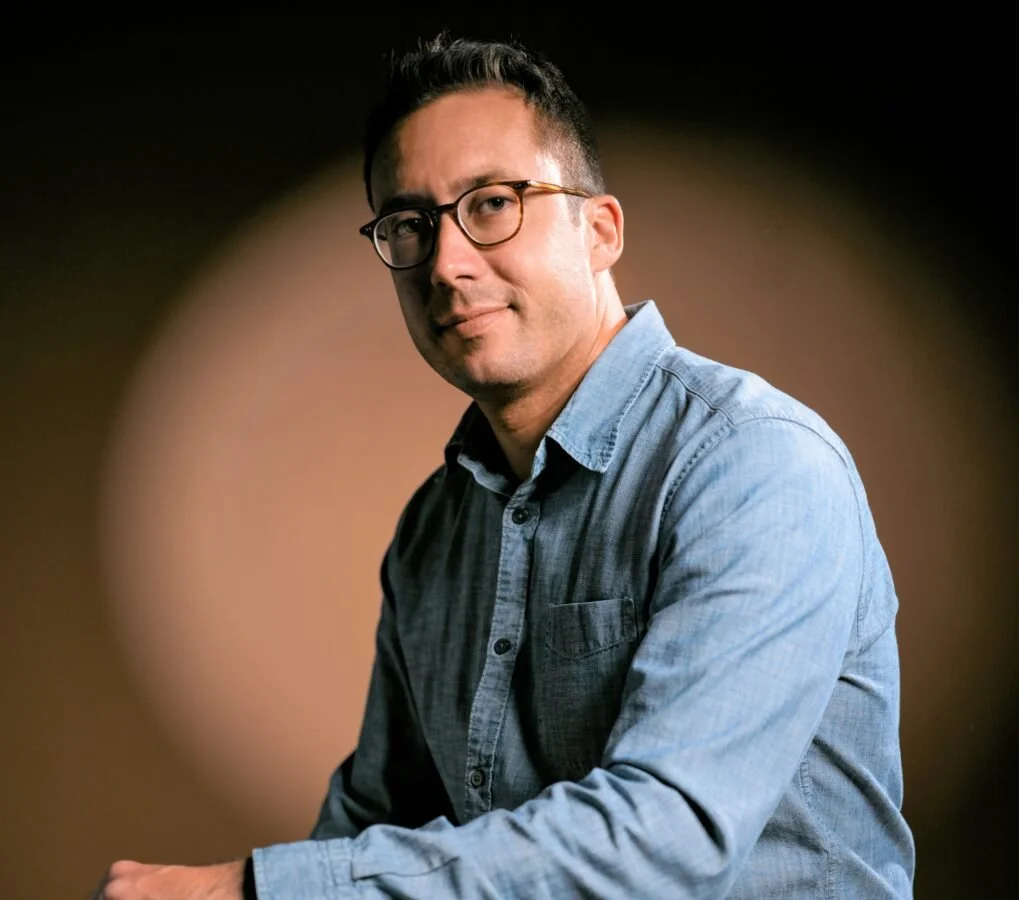
I’m not sure when Adrian Sobol and I first became online mutuals, but we’ve known each other for many years. At first, I knew him as a fellow writer in the community, then I listened to him on a couple of podcast episodes (this one and this one), but it wasn’t until the beginning of 2025 that I met him in person and heard him read. It all snowballed nicely. Fast forward to the end of 2025 and I’ve heard Adrian read five times, pulling from his debut poetry collection as well as his sophomore release, HAIR SHIRT, which came out earlier this year. Seeing him read/perform takes his writing to the next level. He doesn’t stand still like 99% of readers. He’s constantly moving his arms, swaying his body, as if under a spell from his own poetics. It’s a joy to watch.
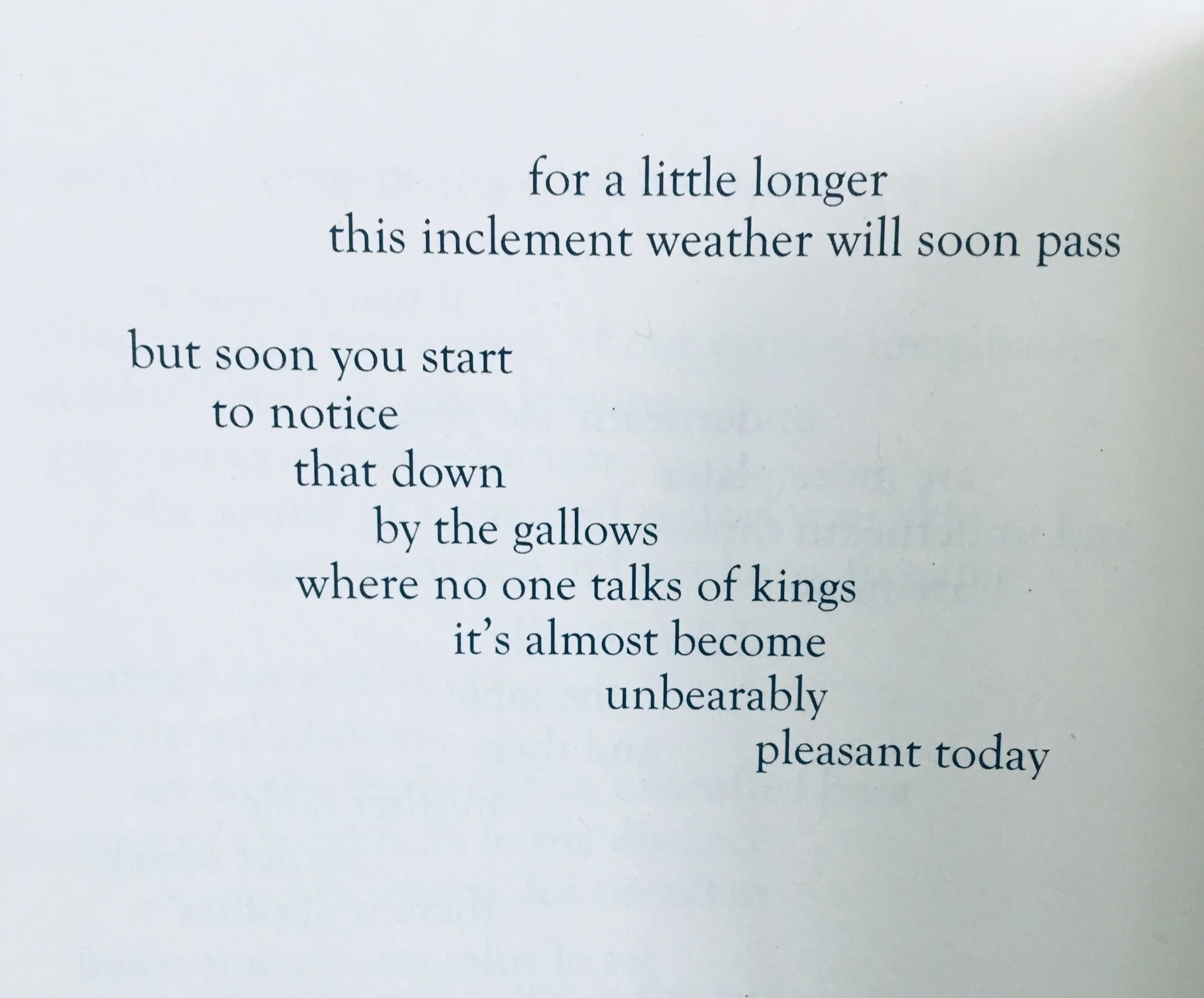
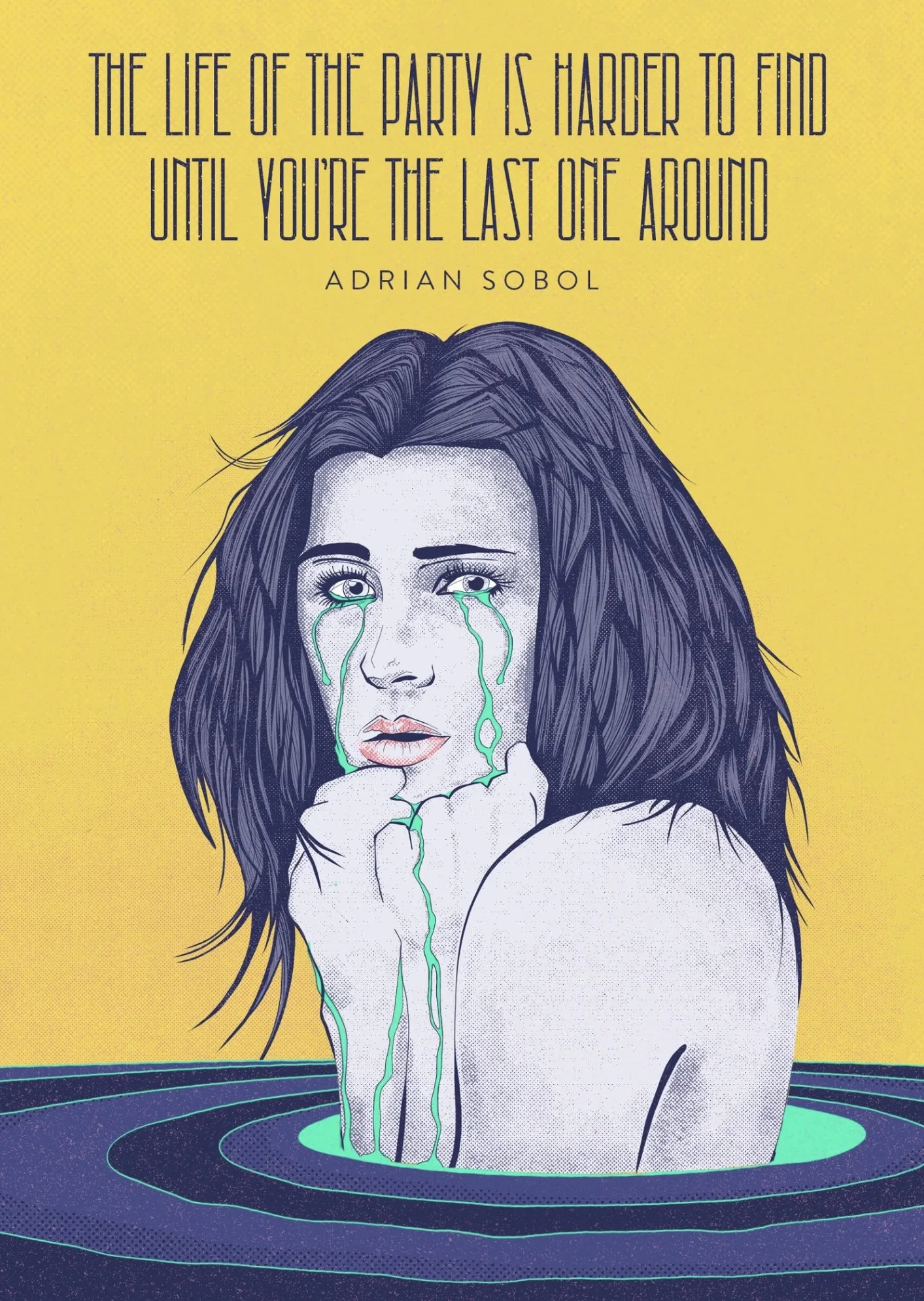
To put it simply: Adrian Sobol rules. His newest book of poems, HAIR SHIRT, rules. These poems from the Chicago-based poet are heart-felt, humorous, strange, musical, and often theatrical pieces of art. All hail HAIR SHIRT. It is a follow-up to his debut, The Life of the Party is Harder to Find Until You’re the Last One Around (2020), which I also adored. Both are out with Malarkey Books.
While reading Sobol’s poems, we laugh to keep from crying. We dance to keep from collapsing. It’s a performance. It’s a trance. Social yet lonely. Outgoing yet melancholic. James Tate's ghost and Bill Knott’s spirit wander the corridors of Sobol’s pages with haunted grins on their faces. As one should. As one does.
I recently spoke with Sobol about his latest collection as well as his approach to poetry, the performative aspect of a live reading, the intersection with music, and much more.

Congrats on your new book! I'm so glad to see HAIR SHIRT out in the world. Can you talk a little about the creation / assemblage / history behind this book?
In my MFA—now a million years ago—we talked about project books and mixtape books. Project books, at the time, seemed to be in vogue. They may be still. You know the type: Books built around a thesis. Books built with a formulaic structure. Books built around a constraint. But I’m not a project writer. I’m a magpie. A collagist. I take what I have accumulated and see what fits. I look for thematic, sonic, imagistic resonances. Then I start to trim.
So, while I had a lot of poems completed, sitting around, doing nothing (as is their right) for a while, it didn’t feel like a manuscript. HAIR SHIRT did not really start coming together until I wrote the title poem. Writing that felt like discovering a path in the woods. It gave me a direction. A centerpiece to build the rest of the book around. I tossed everything I had into a document and started arranging, cutting, reinserting, revising. I was doing this up until the very last second—while typesetting the book, I was still junking poems, rearranging the order, discovering the best ways to make the pieces fit.
Did you start writing these poems shortly after releasing your debut? Was there a break in between? Or, perhaps, some poems in HAIR SHIRT pre-date your debut?
It’s hard to say when I started writing the book. Most of the poems have been drifting in and out of my drafts folder for years. The oldest was “Torch Song.” That came out as a microchap with Ghost City Press, even before The Life of the Party is Harder to Find Until You’re the Last One Around. It didn’t fit into that book so I pocketed it. I constantly go back to unfinished, unloved pieces to see if there was anything there to scavenge. A line, an image, an idea. Sometimes I’ll peek into a draft folder and find some poem I’d forgotten about and decide to resurrect it.
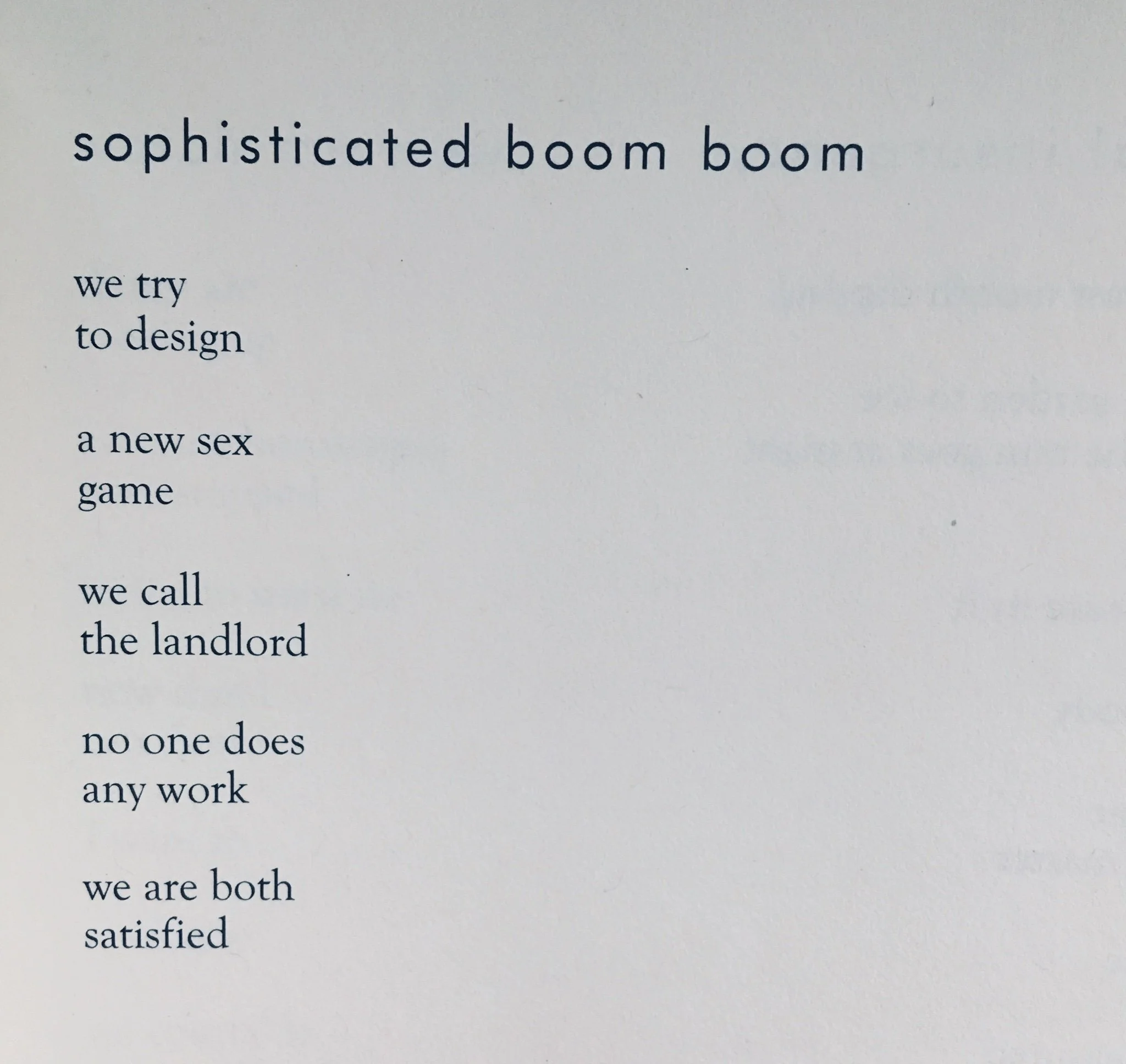
I'm obsessed with the 'Gatefold' poem in your book. I don't think I've ever seen that before. You mentioned this briefly on social media, but you helped curate the cover and layout for both of your poetry collections with Malarkey. How does design/imagery come into play with your poems? Is this a skill/interest you've always had?
Alan at Malarkey pitched that to me. He had this idea of a limited run of books with French flaps where we’d print an extra poem. I wrote it specifically for the flap, after the rest was finalized. So ‘Gatefold’ is the newest poem in the book. Which may suggest where my writing is heading. Or not. We’ll see.
The concept for the cover came to me in a dream. A cutout collage kind of aesthetic, which is in keeping with my writing process. I love collage as an art form—photomontage, if you’re being specific and technical. Finding images and recontextualizing them with others, creating surprise, creating a new kind of harmony in their dissonance. For me, that’s how poetry is made.
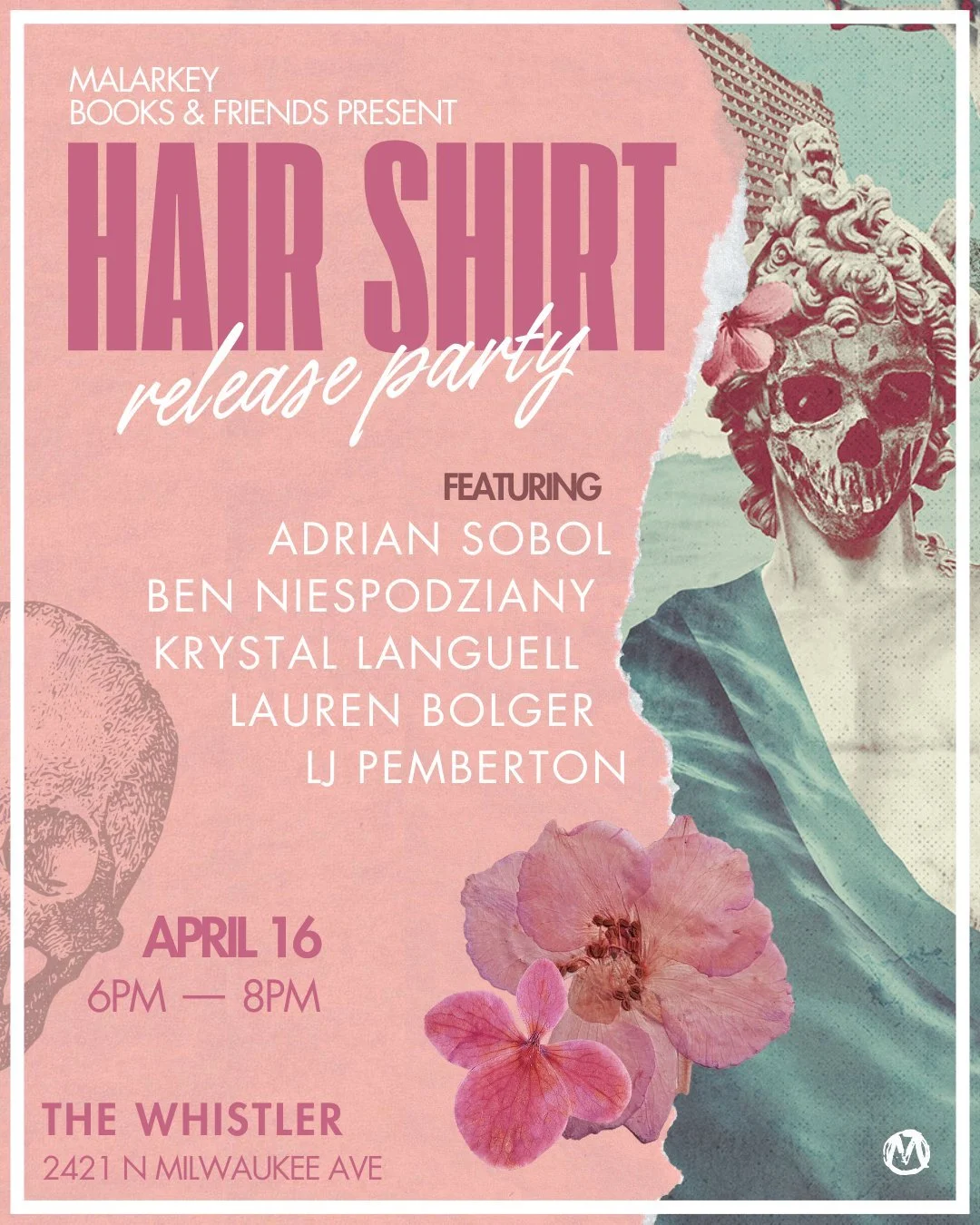
At your book launch in Chicago, you allowed all of the readers to pick their own 'walk out' music and I thought that was such a rad idea. Remind me of your song selection? Is that something you've done before?
I’ve read with backing bands, in front of movie screens, but I’d never done the entrance music bit. It’s something I’ve wanted to do for years (I came out to Guts’ “Everybody Know”). I know I’m not the only one. People joke about it online—they say, Poets should have entrance music like wrestlers. And it’s true.
There’s a level of theatricality I want in a reading. In my ideal reading, there’d be music, lights, visuals. It’s a performance. You’re making a pact with the audience. You’ve come to see me read, and it’s my responsibility to try to entertain you. The text is only one element in a reading. Sights, sounds, inflection, body language—these things matter.
I know you're a big concert-goer as well. Have you always had an interest in music and/or the intersection of creative writing and music?
Making music and writing poetry aren’t all that different. They’re both about sound, tone, rhythm. Tension. Release. I played bass in high school bands. I played guitar in college. Sometimes I think I turned to poetry because I failed to make it as a musician. I still record music when I find the time. The impulse to create as much noise as possible never leaves.
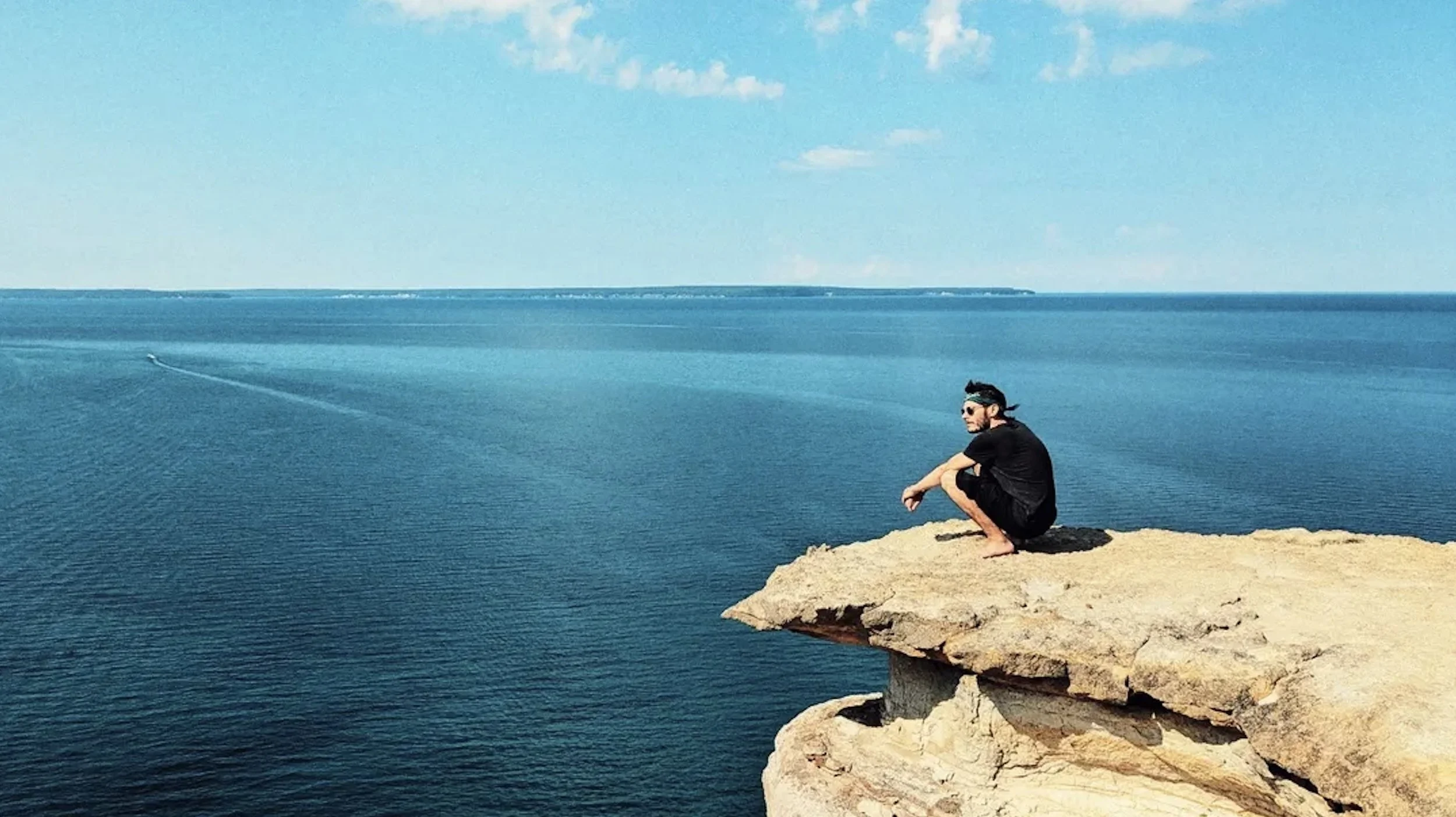
I also loved your promo videos for HAIR SHIRT. One trailer, one reading on a kayak in Lake Michigan, one in the shower, one unboxing with a head inside. Did you make clips like this for your debut collection as well, or was this multimedia filmmaking aspect something new for you?
I’ve made book trailers for a few other projects before. They’re fun as hell to make, so I keep making them. But book trailers or promos don’t necessarily move copies or even perform well on social media. It’s like asking a stranger you just met to go with you to a second location. It’s red flags all the way down. You see a cool video and then what’s at the end of the journey? A book of poetry? Who but the freakiest of freaks will want that?
It’s a strange compulsion to share art on social media. On the one hand, it’s the only way to get people to see it. On the other hand, algorithms don’t reward creativity.
When comparing and contrasting your two collections, do you see them as being in the same universe? Do they feel complimentary to you, or completely separate in style and interests? Five years in between books isn't a very long time for most poets, but a lot can happen/change in five years.
It feels like a linear progression. There are overlapping interests and obsessions. Fine tuning the craft. Mostly, there was a conscious decision to move away from a unifying first-person speaker. The Life of the Party is Harder to Find Until You’re the Last One Around wasn’t entirely written from a single persona, but it was anchored by the “I.” When I was putting the poems for HAIR SHIRT together, I wanted to explore other perspectives by exploring new characters, situations, treating it more as a variety show than a standup special.
I know HAIR SHIRT is still in its infancy, but have you been writing anything new / working on anything since finalizing your second book? I know you shared a new poem at our reading on the lake. Do you see that as part of a new project or a one-off?
If there’s a new book in it, I don’t know what it is yet. I don’t have enough material. I’m slow to write. The poems arrive when they arrive. They often go through 10 or 12 drafts before I feel like they feel ready to be sent out. And even then, I probably won’t send them out. I probably should get better at that.
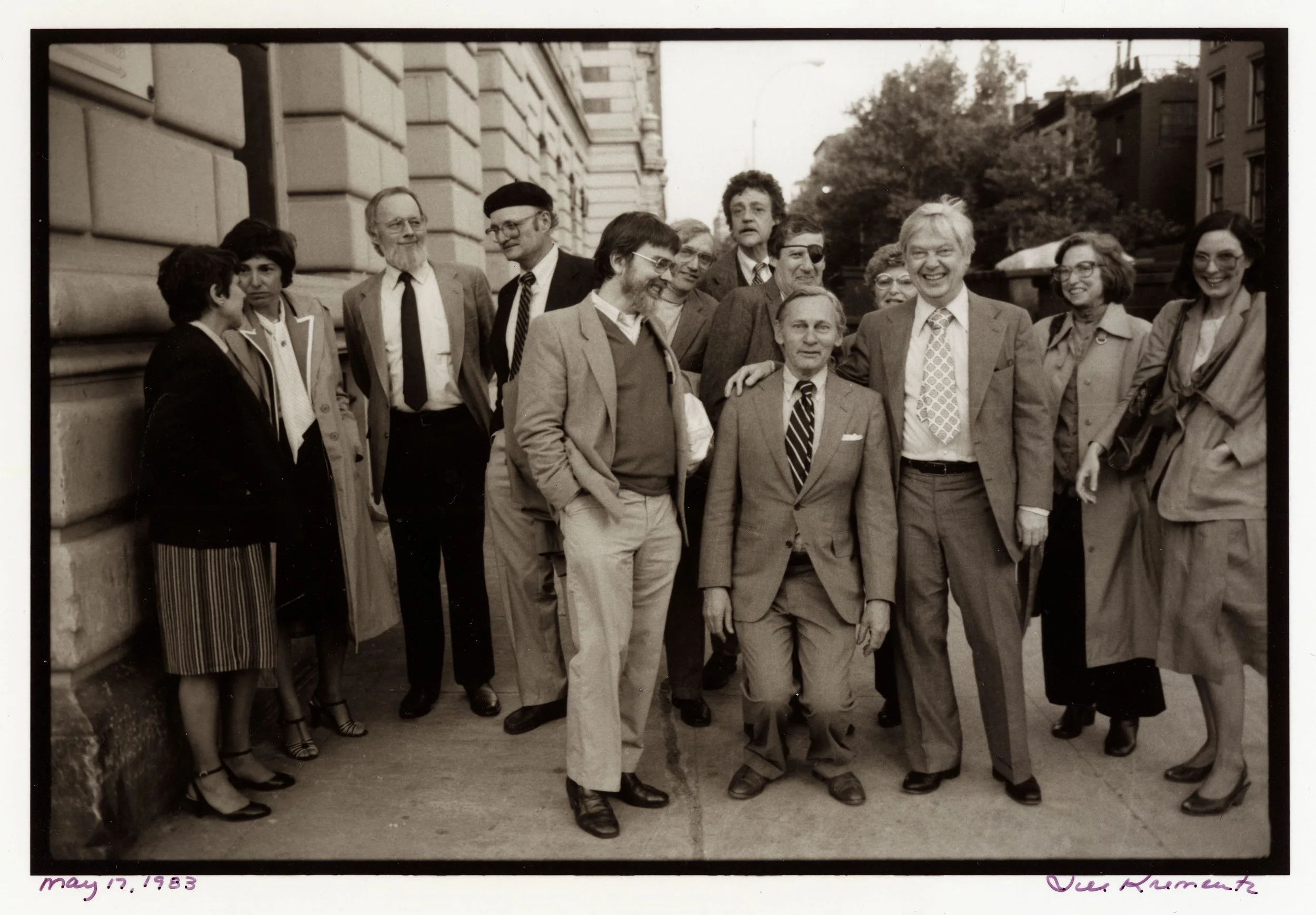
What are some touchstone books (or touchstone authors) that captivated you and helped you early on in your writing career?
I’d point to this photo by Jill Krementz The Postmodernists Dinner, which features some of my favorites. The two most important to me who appear in that photo, though, are Kurt Vonnegut and Donald Barthelme.
Vonnegut was the first author who made me want to write seriously. His writing was always very conversational, like he was talking to you directly, inviting you in. I loved that. If there’s anything I want poetry—an art form too often mischaracterized as intimidating—to do, it’s to invite an audience into the world it’s creating. Come hang out with me in my little linguistic playpen. Share my secrets.
Bartheleme, too. Another collagist—both in terms of fragmentary writing and actual photomontage. An author who loved surprise and knew how to write a joke. I go back to him a lot, because he was willing to be silly, even when writing about dark topics.
Actually, now that I think about it, the two of them both wrote in fragments and included drawings in their work. Which reminds me, I keep meaning to start drawing again.
Born in Poland, residing in Chicago, with a stint in Colorado, how does place come into play with your writing? Do you see your poems as Chicago poems, or Polish poems, etc?
My gut reaction is to say that I don’t particularly care about place. But then I remember I wrote a book-length poem about Chicago. So who knows? I can point to a poem in the book and tell you if it’s a Chicago poem, if it’s a Boulder poem, if it’s an Oakland poem. I don’t necessarily try to fill the work with signifiers, but they definitely creep in. One review of HAIR SHIRT said that a Chicago poet will never not remind you they’re from Chicago. Which is true. The poetry community here should be paid out of the city’s tourism budget based on our boosterism alone.
Outside of your own work, what are some recent reads that you have enjoyed?
Lately, I keep unintentionally picking up novels filled with fascists and authoritarians (I wonder why?). Pynchon’s Shadow Ticket. JG Ballard’s Kingdom Come. Christian Kracht’s Eurotrash. The Memory Police by Yoko Ogawa. I recently finished Captain Corelli’s Mandolin, which is about the fascist occupation of Greece in World War 2. It’s a romance, a history, a tragedy. Listen, that’s not the newest, sexiest book someone recommend, but that is one goddamn well-written novel. Louis De Bernières writes like an English Gabriel García Márquez. It has patience to tell its story in a classical novelistic mode that we don’t really see much anymore.
I'll ask the same question, but in regards to recent movies and/or music. What are some recently watched films or recently listened to albums that you'd recommend?
When D’Angelo died, everyone was rightfully posting about his studio albums—Brown Sugar, Voodoo, Black Messiah, each one its own kind of masterpiece—but I went looking back at the live performances, looking for concert footage, live bootlegs. I only got to see him live once in Denver during The Second Coming tour. It was one of the best shows I’ve ever seen. He was so joyful and virtuosic on stage. The band was incredibly tight. The arrangements were incredible. The energy totally infectious. I wanted to experience that again. I found this bootleg of a live show in Chicago during that same tour, and another from 2000 at a show in Stockholm. There are moments in each set that are totally sublime. You can feel the room catch fire.
If you can, provide a photo of your writing workspace or describe with words. What are some essentials while you create?
I don’t have a dedicated workspace. I write on my couch, in bed. On my laptop, on my phone. Walking my dog, a line will get into my head, and I’ll tap it out real fast on my phone before it escapes me. I’ll go longhand if that’s what it takes to catch the idea. That’s the thing I love about writing—it can happen anywhere.
For this ongoing author interview series, I'm asking for everyone to present a writing prompt. It can be as abstract or as concrete as you choose.
1. Purchase a copy of HAIR SHIRT from IWANTMYHAIRSHIRT.com.
2. Read it before bed.
3. Put it under your pillow.
4. Think of the transgression you wish you could be forgiven for.
5. Repeat the words “I’m sorry” until your dreams wash clean.
In closing, do you have any advice for early writers? Or rather, what's something that keeps you returning to the page?
Find a community. People you can share your work with. Build it yourself if you have to. Publishing won’t always go your way, and you can easily get discouraged. But writing for people you know? Making them laugh? That never gets old.
Any final thoughts / closing wisdom / something I might have missed that you'd like to include? Thank you again for taking the time!
Protect your neighbors. Abolish ICE. Prosecute everyone involved in DHS.